Application of adhesive
Jul 10, 2021
There are many types and grades of adhesives, a wide range of applications, and there are many types of objects to be bonded. Therefore, there are a variety of usage specifications, product standards, and usage details. Therefore, the selection and application should be based on these standards and specifications. The application industries involved are as follows:
A Packaging industry: The packaging industry is the largest market for adhesives, which is mainly divided into packaging materials and packaging applications; the production of packaging materials such as corrugated board uses a large number of starch adhesives, vinyl acetate emulsions and hot melt adhesives. Packaging applications include the use of starch glue, stickers, etc. for the adhesion of commodity labels;
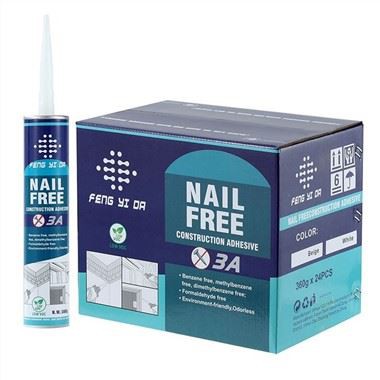
B. Civil engineering and construction industry: There are many applications and varieties of adhesives in the civil engineering and construction industry. For example, vinyl acetate latex is widely used in interior decoration and furniture manufacturing, and SBR latex, epoxy resin, polyurethane glue, etc. are widely used in wallpaper, ceramic tiles, sanitary appliances, plastic products and pipes, pipe fittings, etc.;
C Wood industry: The manufacture of plywood, fiberboard, wood chipboard and decorative board all use a variety of synthetic adhesives, and urea-formaldehyde resin glue is the most used. Melamine-modified urea-formaldehyde glue is used in the production of decorative boards, chipboards, and fiberboards.
D. Shoemaking industry: The application of adhesives in the shoemaking industry has reformed traditional shoemaking methods. Sole and upper are the main components of shoes. The materials for manufacturing these components include cotton products, synthetic fiber products, and various natural and synthetic rubbers. Products, polyurethane and various plastic products, etc. The combination and bonding of these materials depends on the adhesives for various purposes, such as neoprene adhesives, polyurethane adhesives, hot melt adhesives, polyvinyl acetal adhesives, etc.;
E Textile industry: lining, carpet, luggage, bags, etc. are inseparable from adhesives. Commonly used are hot-melt polyethylene, ethylene-vinyl acetate copolymer, polyester, polyamide, and others include nitrile rubber and neoprene. , Polyurethane, etc.
F Automobile industry: Adhesive and sealing technology are widely used in automobile production and repair. Adhesives include phenolic, nitrile, phenol-urea-formaldehyde-silicone and other thermosetting structural properties, as well as epoxy resin, moisture-curing polyurethane sealant, etc. ;
G. Aerospace industry: Aircraft metal parts, aluminum alloy wings, tail wings, etc. are widely used for bonding. The varieties used are phenol-urea-formaldehyde, epoxy-phenolic, nitrile-phenolic, nylon-epoxy and other adhesives, of which 120 ℃ curing epoxy-nitrile modified adhesive is the mainstream;
H Electronic and electrical industry; from the fixation of microcircuits to electronic components and equipment such as large generators, motors, antennas, radomes, and the manufacturing and production of various household appliances, they are inseparable from the use of adhesives, such as phenol-urea-formaldehyde, butadiene Nitrile-urea-formaldehyde, modified epoxy adhesive, silicone rubber sealant, etc.
I Medical and health industry: Including clinical adhesives and various surgical adhesives, which are required to be non-toxic, firmly bonded to human tissues, and do not hinder the recovery of tissues, such as ethyl cyanoacrylate and isobutyl cyanoacrylate medical adhesives.